Slow Walk or Brisk Walk: Matching Pace to Energy
Walking gets discussed as though it were a single activity with a single dose. In practice a slow walk and a brisk walk are two different habits that happen to use the same pavement, and they leave a person in noticeably different states afterwards.
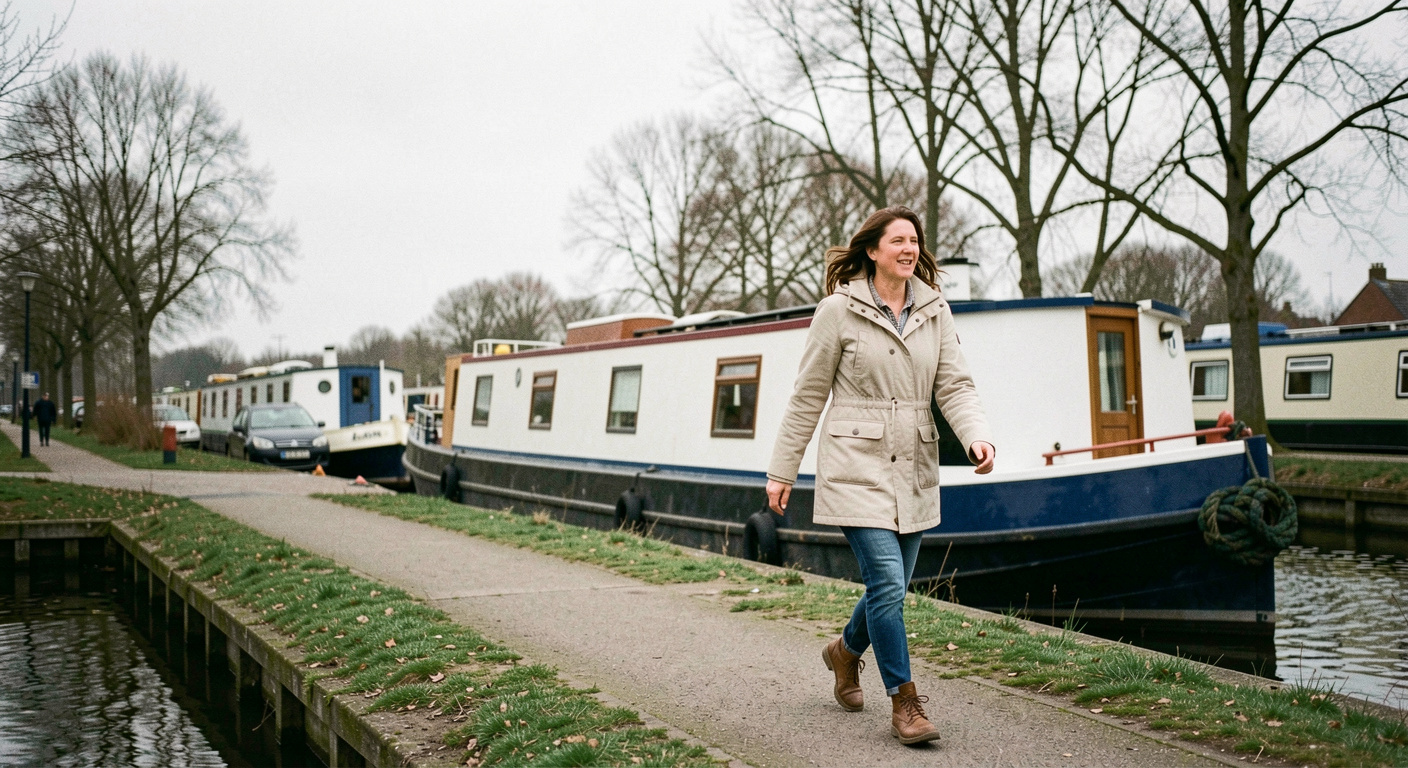
Two different habits
The brisk walk is the one people mean when they call walking exercise. Breathing changes, the arms move, conversation becomes slightly harder to sustain, and there is a definite sense afterwards of having done something. It has a warm up and a cool down whether or not anyone calls them that.
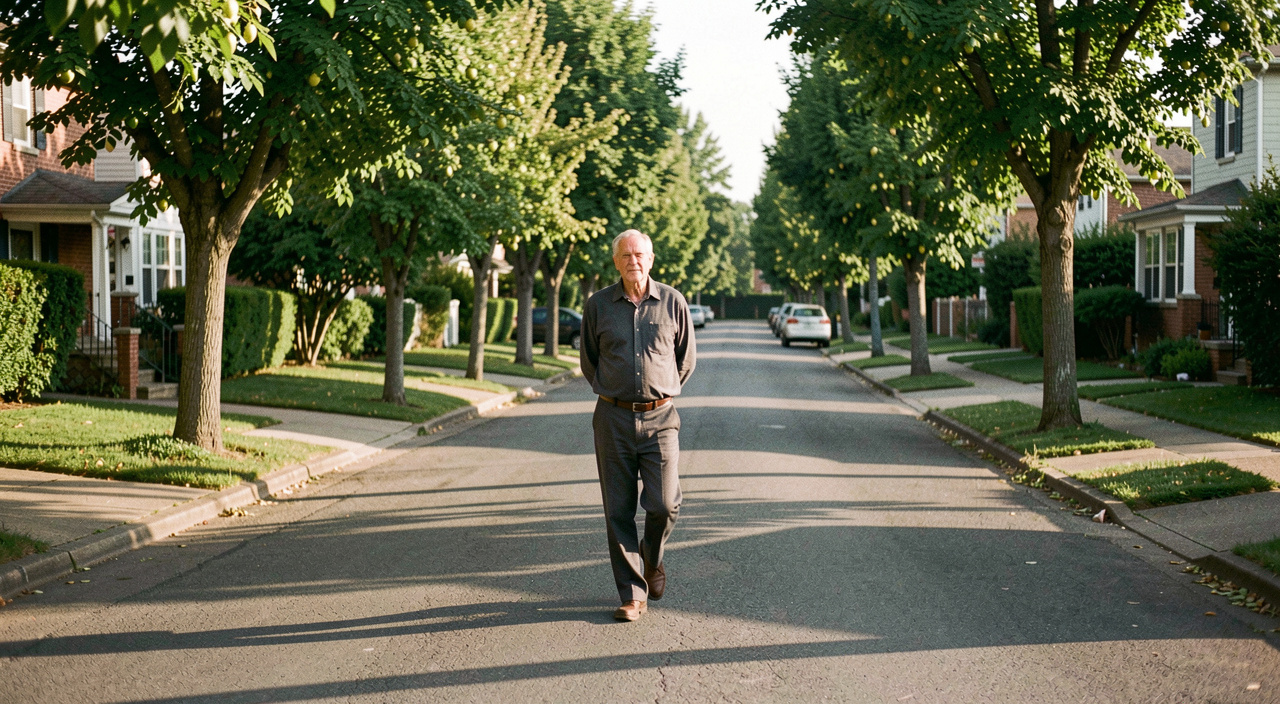
The slow walk is the one people take without noticing they are taking it: to the shop, round the block, up and down a platform. Nothing about it registers as effort. What it does instead is unstick the mind, which is why it turns up so often in accounts of how people solve problems or calm down after a difficult conversation.
Treating these as the same thing with different intensities is where most walking advice goes wrong. They are not points on a scale. They do different jobs.
How to tell them apart
The most useful test has nothing to do with speed measured in kilometres per hour. It is about what the walk does to talking and thinking.
| Test | Slow walk | Brisk walk |
|---|---|---|
| Conversation | Completely comfortable | Possible but slightly clipped |
| Arms | Still, or in pockets | Swinging without being told to |
| Attention | Wanders, and usefully | Narrows to the road ahead |
| Afterwards | Settled, unhurried | Alert, slightly warm |
Neither column is better. The mistake is picking the wrong column for the moment, which happens most often when a person has decided that walking is exercise and therefore that all walking should be brisk.
The numbers still have their uses when a walk has to be planned rather than felt, and how a walking pace translates into distance over an hour is worked out in a separate entry, with the NHS brisk pace of about 3 miles an hour as its reference point.
Where each one belongs
The brisk walk belongs in the morning and the early afternoon. It sits well before work, in a commute that has been deliberately lengthened by one stop, and in the first half of a lunch break. It is a reasonable substitute for the moment when a person would otherwise be reaching for a third coffee.
The slow walk belongs after meals and at the end of the day. Straight after eating, it is the version that is genuinely comfortable, which is one reason the entry on the shortest habit on this site works so well as a habit: nobody has to be talked into it. In the evening, a slow walk sits in front of a wind down sequence without disturbing it.
There is a third case worth naming: the walk taken specifically to deal with a difficult mood. That one is nearly always slow, and it is closer in spirit to a breathing habit than to exercise. If that is the reason you walk, the companion piece is the entry on an evenly counted breath before a difficult moment, which does the same job when there is no time to go outside at all.
The mistake of one pace
Once someone starts tracking walking, everything drifts brisk. A tracker rewards speed and distance, so the slow walk stops counting and then stops happening. What gets lost is the version that was doing the thinking work, and it gets lost without anyone noticing, because on paper the numbers went up.
This is a general hazard of measurement rather than a walking problem, and it is one of the reasons we argue for light, low pressure tracking in the entry on habit tracking without streaks. A habit that only counts when it is fast will eventually only be done fast.
Once walking is measured, everything drifts brisk, and the version that was doing the thinking quietly disappears.
The opposite mistake exists too. A person who only ever walks slowly, and only ever to the shop, has a pleasant habit but not much of a range. The fix is not to speed up the shop trip. It is to add one deliberately brisk walk somewhere the day can spare it, which is a question of shape rather than intensity and is taken up in the comparison of short walks and long walks.
What we noticed
Keeping both versions deliberately for a fortnight, the clearest pattern was about time of day. The brisk walk before nine in the morning was easy to keep and reliably pleasant. The same brisk walk attempted at six in the evening felt like a chore on all but two occasions, and on those two it was because someone else came along.
The slow walk after dinner needed no motivation at all and was the only one that never failed. It also produced the most usable thinking, which is not a claim about physiology, just an observation about where the ideas in this magazine tend to arrive.
If you are choosing one to start with, start with the slow one attached to a meal. It requires nothing and it will not be abandoned. The brisk one can be added later, once there is a slot in the morning that is genuinely free, and once you have looked at how much of your day is spent seated in the first place.
Read next
The next question after pace is length, which is the comparison between several short walks and one long one.
A slow walk taken to settle a mood does much the same job as a counted breath, described in the piece on box breathing.
Brisk walking late in the evening sits awkwardly against a wind down sequence, which is set out step by step in the routine entry.
If tracking is what pushed your walking towards one pace, our entry on ticks, cards and no streaks is the corrective.